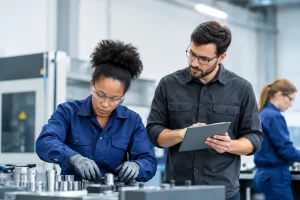

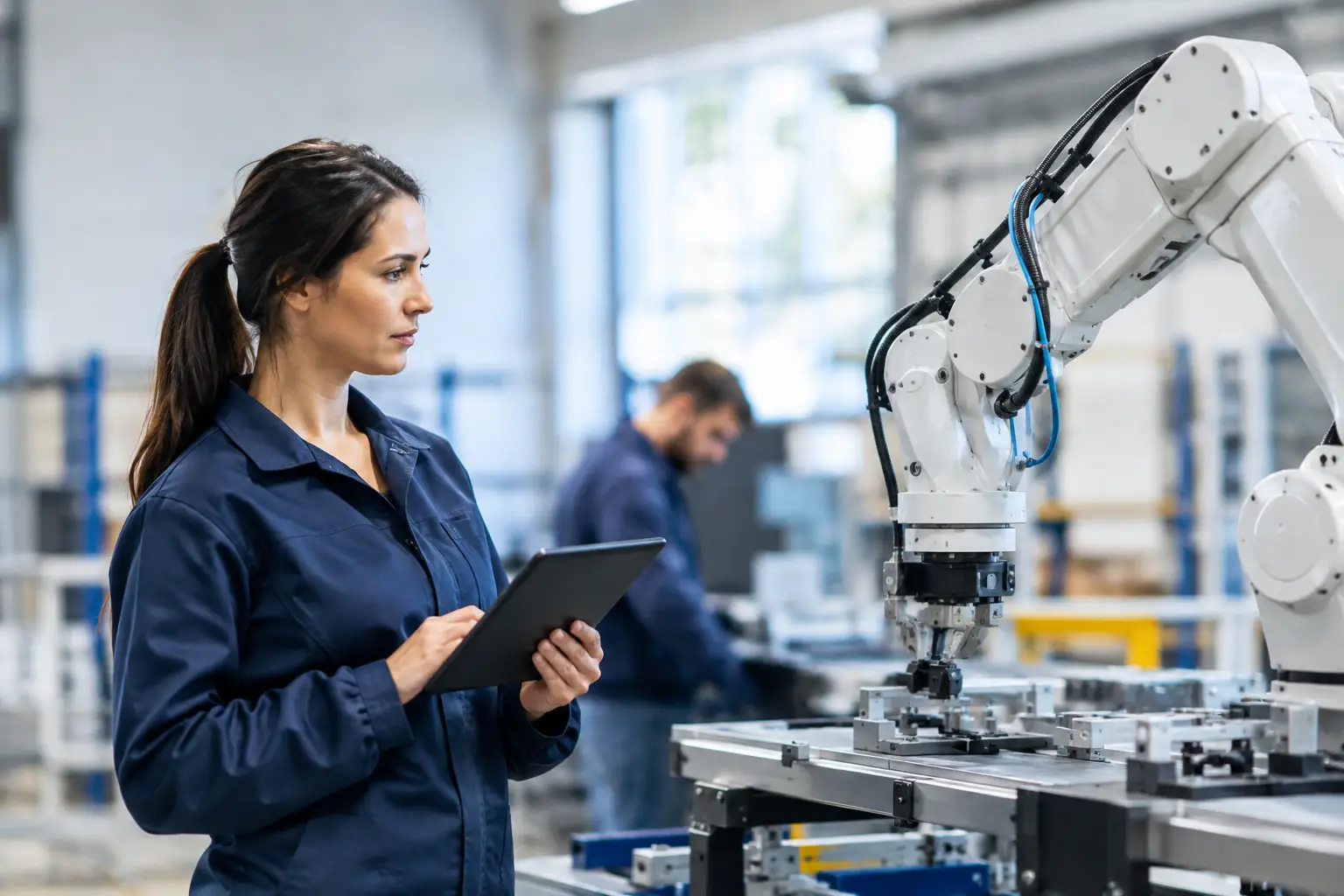
A controls technician who can diagnose a PLC fault at 2 a.m. can be harder to hire than the automation equipment itself. That reality sits at the center of automation workforce trends Ohio employers face: plants are investing in connected equipment, robotics, sensors, and data systems while competing for people who can install, operate, maintain, and improve them.
For Ohio manufacturers, automation is not simply a capital-equipment decision. It is a workforce decision. The success of a new robotic cell, automated packaging line, or machine-vision system depends on whether the organization has the technical depth to support it after commissioning is complete.
Automation Workforce Trends in Ohio: Jobs Are Changing, Not Vanishing
The old question was whether automation would replace manufacturing jobs. The more useful question for employers is which jobs are being redesigned and what capabilities those jobs now require.
Many repetitive, physically demanding, or precision-sensitive tasks are being automated. At the same time, demand is increasing for maintenance technicians, industrial electricians, controls engineers, manufacturing engineers, CNC programmers, robotics technicians, quality specialists, and production leaders who understand automated workflows. A machine may handle a repetitive weld or material move, but skilled people still set standards, troubleshoot exceptions, improve cycle times, maintain uptime, and make sound decisions when production conditions change.
This shift can create tension on the plant floor. Experienced employees may worry that new technology threatens their role, particularly when communication is vague. Employers get better results when they explain how automation will affect work, identify new advancement paths, and provide training before a system goes live. The message should be practical: the work is changing, and the company intends to help capable employees move with it.
That does not mean every current employee will want or be able to transition into a more technical role. It does mean a blanket approach to hiring and training will fall short. A facility introducing collaborative robots has different talent needs than one implementing warehouse automation or expanding a highly automated machining department.
The Talent Gap Has Moved Closer to Operations
Ohio has a deep industrial base, respected technical education programs, and a workforce with real manufacturing experience. Even so, employers regularly face a gap between the people they need and the candidates available at the moment they need them.
The shortage is especially visible in hybrid roles. Companies are not merely looking for an electrician or a mechanic. They may need a technician who understands electrical schematics, variable-frequency drives, PLCs, servo systems, hydraulics, sensors, safety circuits, and computerized maintenance systems. A candidate with several of those skills can have multiple opportunities, which makes speed and a credible hiring process essential.
Engineering hiring is also becoming more specialized. Controls engineers and automation engineers are expected to work across equipment design, programming, commissioning, process improvement, documentation, and cross-functional problem-solving. Employers that write broad, unrealistic job descriptions often lose qualified candidates before a conversation begins.
A better approach is to separate must-have requirements from skills that can be developed after hire. If a role genuinely requires Rockwell programming experience, state it clearly. If experience with a specific HMI platform is preferred but trainable, say so. Precision helps recruiters present the right candidates and helps applicants decide whether the opportunity is worth pursuing.
Experience Still Matters, but Potential Matters More Than Before
For many automation-related positions, the ideal candidate may not be actively looking. They may be a maintenance technician who has gradually taken on controls work, a machine builder with field-service experience, or a recent engineering graduate with strong co-op experience and the right attitude.
That changes how employers should evaluate candidates. A narrow search for an exact background can be justified for a senior controls leadership role or a highly regulated operation. In other cases, hiring for foundational technical ability, troubleshooting discipline, safety awareness, and willingness to learn may create a stronger long-term result.
The trade-off is straightforward. Hiring a high-potential candidate may require more onboarding and mentorship. Waiting for the exact candidate can leave a critical position open long enough to strain existing staff, delay projects, and increase overtime. The right choice depends on the urgency of the role, the strength of the internal team, and the company’s capacity to train.
Retention Is Becoming an Automation Strategy
When technical talent is scarce, retention cannot be treated as a separate HR concern. Losing a skilled controls technician or automation engineer can disrupt maintenance planning, project schedules, documentation, and the informal knowledge that keeps a facility running.
Pay remains important, particularly for experienced technical employees who know their market value. But compensation alone does not solve every retention problem. Professionals in automation-related roles often want modern tools, reasonable on-call expectations, clear authority to solve problems, and a path to more advanced work. They also notice whether leadership invests in preventive maintenance and training or expects them to keep aging systems alive with limited support.
Career paths deserve particular attention. An employer does not need a large corporate hierarchy to provide growth. A technician may advance from equipment maintenance to controls support, lead troubleshooting efforts, assist with capital projects, or earn certifications that expand responsibility. What matters is that employees can see how effort and skill development lead somewhere.
Managers should also recognize the risk of overloading their most capable people. When one employee becomes the only person who understands a critical line, that person may feel indispensable but burned out. Cross-training, accurate documentation, and planned knowledge transfer protect the operation while making the job more sustainable.
Training Must Connect to the Equipment on the Floor
General training has value, but automation training is most effective when it relates directly to the systems employees work with. A classroom introduction to PLCs is useful. Applying that knowledge to a real machine fault, a recurring downtime issue, or a commissioning project is where confidence develops.
Employers can build stronger talent pipelines by combining formal learning with supervised hands-on work. Partnerships with career centers, technical schools, community colleges, apprenticeships, and co-op programs can help, especially when local facilities provide a clear view of actual career opportunities. Candidates are more likely to pursue industrial careers when they understand that modern manufacturing includes advanced equipment, problem-solving, and stable advancement opportunities.
Internal training needs the same discipline as any other operational initiative. Define the skills required, identify who can teach them, protect time for learning, and measure progress. Asking an already stretched technician to train new hires between emergency calls is rarely a reliable plan.
Hiring Practices Need to Match the Market
Automation talent is often lost during slow or disorganized hiring processes. A qualified candidate may have more than one interview underway, particularly in Cleveland, Columbus, Cincinnati, Dayton, Akron, and other active Ohio industrial markets. If interview scheduling takes weeks or decision-makers cannot agree on the role, the employer may lose the candidate to a company that moved with more purpose.
Speed should not mean carelessness. It means preparing before the search begins. Hiring managers should align on compensation range, shift expectations, travel requirements, technical priorities, and the interview process. Candidates deserve direct information about the equipment, team structure, challenges, and reasons the position is open. Straight answers build trust and reduce costly mismatches.
This is where specialized recruiting can make a measurable difference. IntegrityJobs.com works with Ohio engineering, manufacturing, and skilled labor employers that need candidates evaluated against real technical and operational requirements, not just keyword matches on a resume. For difficult roles, market knowledge and candid communication can reduce wasted time on both sides.
What Ohio Employers Should Do Next
The strongest response to automation is not a rush to hire every available technician or engineer. It is a practical workforce plan tied to the company’s production goals. Start by identifying which equipment, projects, and skills will matter most over the next 12 to 24 months. Then assess where current employees can grow, where cross-training is needed, and which positions require an external search.
Be honest about the employee experience you offer. A modern plant with advanced automation can still struggle to hire if schedules are unclear, maintenance is constantly reactive, or candidates receive little communication. Conversely, a company with a respectful culture, skilled leadership, and a believable development path can compete effectively even when the labor market is tight.
The next productive conversation may be with a maintenance lead who wants to learn controls, a student considering a technical career, or a candidate who needs a clearer picture of the role. Those conversations are where a stronger automation workforce begins.