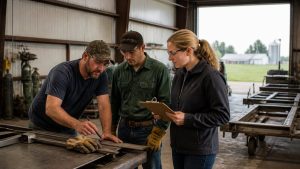


A Cleveland production line does not stay productive because a job posting receives a high volume of applications. It stays productive when the maintenance technician can troubleshoot a drive fault, the manufacturing engineer understands the process, and the supervisor can lead a shift safely. That is why industrial recruiters in Cleveland must do more than collect resumes. They need to understand the work, the facility, and the cost of getting the hire wrong.
For manufacturers, engineering firms, and industrial operations, the hiring challenge is rarely a lack of applicants alone. The problem is separating qualified people from those who look qualified on paper. A recruiter with genuine technical and manufacturing knowledge can make that distinction earlier, saving hiring managers considerable time and protecting the operation from a poor fit.
What Cleveland Industrial Employers Need From a Recruiter
Industrial hiring has a different standard than general office recruiting. A plant manager may need an experienced controls engineer who can work with a specific PLC platform. An operations leader may need a production supervisor who has led teams through demanding output schedules. A maintenance manager may need a mechanic who can diagnose electrical, hydraulic, and mechanical problems without extended training.
Those are not interchangeable skill sets. Job titles can be misleading, and years of experience only tell part of the story. A candidate may have ten years in manufacturing but no direct exposure to the equipment, materials, quality requirements, or work environment at your facility.
The best industrial recruiters in Cleveland ask detailed questions before beginning a search. They want to know what the person will actually do during a shift, what equipment they will touch, why the role is open, and what has made previous searches unsuccessful. This level of intake matters because a vague request for an “experienced technician” produces a vague candidate pool.
A strong recruiting partner should also be candid when expectations are out of step with the market. If compensation is below the range needed for a scarce skill set, if a schedule will narrow the available talent pool, or if the requirements describe three jobs instead of one, honesty is more useful than false reassurance. Good recruiting is not about promising an impossible result. It is about helping an employer make a workable hire quickly and fairly.
The Difference Between Resume Volume and Candidate Accuracy
A full inbox can create the appearance of progress. In technical recruiting, it often creates more work. Hiring managers still must review resumes, screen for deal-breakers, schedule interviews, and determine whether an applicant has the capabilities claimed in the profile.
Candidate accuracy changes that equation. It means a recruiter has verified the key requirements before presenting someone for consideration. For an engineering role, that may include industry experience, software proficiency, project scope, and leadership responsibility. For a skilled trade opening, it may mean confirming shift availability, hands-on equipment experience, certifications, safety record, and willingness to work in the conditions the position requires.
This does not mean every candidate must match every preference perfectly. A near-match with the right technical foundation, reliability, and motivation may become an excellent long-term employee. The point is that the gaps should be visible from the start. Employers should know whether they are meeting a fully qualified candidate, a strong developmental hire, or someone who may require substantial training.
That clarity helps teams interview with purpose. Instead of spending time proving basic qualifications, they can discuss the candidate’s approach to troubleshooting, quality, communication, safety, and performance under production pressure.
How a Specialized Search Reduces Hiring Delays
Speed matters in Cleveland’s industrial market, but speed without discipline causes costly mistakes. An open engineering or skilled labor position can lead to overtime, missed maintenance, delayed projects, supervisor strain, and lost output. At the same time, rushing a hire can create turnover that restarts the process a few months later.
Specialized recruiting helps balance those pressures. Recruiters who work regularly in manufacturing and engineering build networks that go beyond people actively applying to jobs. Many qualified professionals are employed and not browsing job boards each day. They may listen when approached about a role with better leadership, a stronger schedule, more technical responsibility, or a more stable work environment.
That outreach is particularly valuable for difficult searches, including controls engineers, quality leaders, maintenance technicians, tool and die professionals, CNC talent, production management, and skilled trades positions. The right candidate may not respond to a generic ad. They are more likely to engage when the opportunity is explained accurately by someone who can answer practical questions.
A productive search also depends on employer responsiveness. When interviews take too long to schedule or feedback is delayed, strong candidates often accept another offer. Recruiters can manage communication and keep the process moving, but they cannot replace timely decisions from the hiring team. The most effective partnerships establish interview steps, decision-makers, compensation parameters, and feedback expectations before candidates enter the pipeline.
What Candidates Should Expect From Industrial Recruiters in Cleveland
Job seekers have good reason to be selective about recruiters. Too many have experienced vague job descriptions, silence after submitting a resume, or opportunities that do not align with their background. A professional recruiter should treat a candidate’s time and career with the same respect given to an employer’s hiring process.
For engineers, manufacturing professionals, and skilled trades workers, a worthwhile conversation starts with the real details: job duties, shift, location, pay range when available, travel expectations, reporting structure, and the company’s reason for hiring. Candidates deserve to know whether they are being considered for a direct hire role, a contract assignment, or a temporary-to-hire opportunity.
Candidates should also be honest about what they want next. A higher hourly rate may not outweigh a difficult shift, a long commute, limited advancement, or an unstable employer. Likewise, a role with slightly lower initial pay may be worthwhile if it offers better training, stronger benefits, more predictable hours, or a path into leadership. There is no single right answer. The right move depends on the person’s skills, household needs, and career goals.
A recruiter who understands industrial work can help candidates see beyond the title. “Maintenance technician” can mean very different things from one facility to another. The same is true of “manufacturing engineer,” “CNC machinist,” or “production supervisor.” Clear conversations prevent surprises after an offer is accepted.
Choosing a Recruiting Partner for Technical Hiring
Employers evaluating industrial recruiters should look past broad claims and ask practical questions. How does the recruiter qualify technical experience? What types of engineering, manufacturing, and skilled labor roles do they fill regularly? How do they communicate during a search? What happens when the market does not support the original requirements?
The answers reveal whether the firm is prepared to act as a staffing vendor or a true hiring partner. Generalist agencies can be useful for high-volume, entry-level, or broadly defined needs. But when a role directly affects uptime, safety, quality, product launches, or customer delivery, specialization is usually worth the investment.
IntegrityJobs.com brings more than 30 years of recruiting experience to Ohio engineering, manufacturing, and technical hiring. Its relationship-driven approach is built around accurate matches, responsive communication, and the straightforward service employers and candidates should expect when a career or critical opening is on the line.
The right hire is rarely found by chance. Give your recruiter a clear picture of the work, be realistic about the market, and move decisively when the right person appears. That approach gives both the employer and the candidate a better reason to stay committed after the offer is signed.